%2Ffit-in%2F250x250%2Fusers%2F8591b7a3-eb75-47c6-8376-56e44c5e8cc6%2Fimages%2F78d4e505-5fcc-4638-82ca-fa275173885d.jpg&w=1200&q=100)
/users/8591b7a3-eb75-47c6-8376-56e44c5e8cc6/ratecard/adobeexpress2026-03-1120.53.37-mmmrpn4l.png)
%2F300x300%2Fusers%2F8591b7a3-eb75-47c6-8376-56e44c5e8cc6%2Fratecard%2Fadobeexpress2026-03-1120.53.37-mmmrpn4l.png&w=256&q=75)
%2F300x300%2Fusers%2F8591b7a3-eb75-47c6-8376-56e44c5e8cc6%2Fimages%2Fcrevalle-jack-port-salerno-catch-2513.png&w=256&q=75)
%2F300x300%2Fusers%2F8591b7a3-eb75-47c6-8376-56e44c5e8cc6%2Fimages%2Fport-salerno-snook-fishing-success-2569.png&w=256&q=75)
%2F300x300%2Fusers%2F8591b7a3-eb75-47c6-8376-56e44c5e8cc6%2Fimages%2Fport-salerno-snook-fishing-success-2524.png&w=256&q=75)
%2F300x300%2Fusers%2F8591b7a3-eb75-47c6-8376-56e44c5e8cc6%2Fimages%2Fport-salerno-snook-fishing-catch-2558.png&w=256&q=75)
%2F300x300%2Fusers%2F8591b7a3-eb75-47c6-8376-56e44c5e8cc6%2Fimages%2Fport-salerno-snook-fishing-success-2601.png&w=256&q=75)
%2F300x300%2Fusers%2F8591b7a3-eb75-47c6-8376-56e44c5e8cc6%2Fimages%2Fblackfin-tuna-port-salerno-double-2749.jpeg&w=256&q=75)
%2F300x300%2Fusers%2F8591b7a3-eb75-47c6-8376-56e44c5e8cc6%2Fimages%2Fblackfin-tuna-port-salerno-catch-2715.jpeg&w=256&q=75)
%2F300x300%2Fusers%2F8591b7a3-eb75-47c6-8376-56e44c5e8cc6%2Fimages%2Fbest-great-blackfin-tuna-port-2837.jpg&w=256&q=75)
%2F300x300%2Fusers%2F8591b7a3-eb75-47c6-8376-56e44c5e8cc6%2Fimages%2Fsuccessful-snook-fishing-fl-2546.jpg&w=256&q=75)
%2F300x300%2Fusers%2F8591b7a3-eb75-47c6-8376-56e44c5e8cc6%2Fimages%2Ffishing-trip-florida-2963.jpg&w=256&q=75)
Half Day Inshore Stuart FL Shrimp Slingers
 Stuart
What you will be catching:
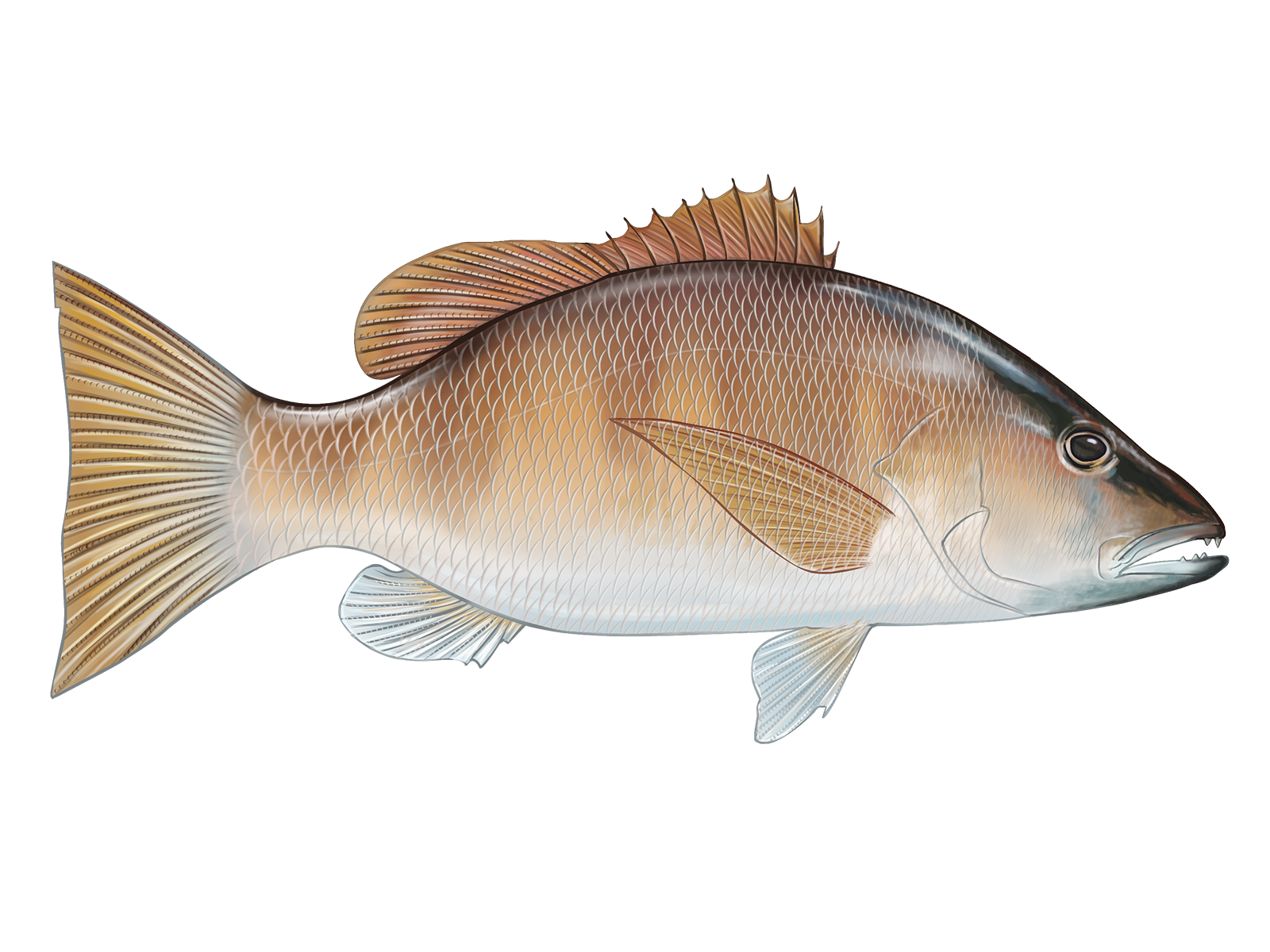 Grey Snapper
 Sheepshead
 Snook
Snook Spanish Mackerel
 Tarpon
- Captain Jacob runs half, three-quarter, and full-day inshore fishing trips out of Stuart, Florida aboard his comfortable 23-foot C Hawk center console. You'll target some of Florida's best species including snook, tarpon, grey snapper, sheepshead, and Spanish mackerel in the productive waters around Stuart. These trips work great for families and anglers at any skill level
- Jacob knows the local spots and techniques that produce fish. Choose from 4, 6, or 8-hour options depending on how much time you want on the water. The boat handles up to 3 guests, so you'll get personalized attention and plenty of room to fish. Stuart's inshore waters offer consistent action year-round with scenic backwaters and flats to explore.
Trip Pricing and Availabilities:
Half & Full Day Inshore Trips with Capt. Jacob
Picture this: you're out on Stuart's pristine inshore waters aboard Capt. Jacob's comfortable C Hawk 23' center console, watching your drag scream as a feisty snook makes its run toward the mangroves. This isn't just another fishing trip—it's your chance to experience some of Florida's most productive inshore waters with a captain who knows every creek, flat, and structure like the back of his hand. Whether you choose a half-day adventure (4 hours), three-quarter day (6 hours), or go all-in with a full 8-hour experience, you'll be targeting some of the coast's most sought-after species in waters that have been producing trophy catches for decades. Stuart's unique position along Florida's Treasure Coast gives you access to diverse habitats where Spanish mackerel, snook, grey snapper, tarpon, and sheepshead thrive year-round.
What to Expect on the Water
Capt. Jacob keeps things relaxed and fun while putting you on fish consistently throughout your trip. The beauty of inshore fishing in Stuart lies in its variety—one minute you're sight-casting to tailing redfish on shallow grass flats, the next you're dropping baits around dock pilings for big snook. The C Hawk 23' gives you the perfect platform for this type of fishing, with enough room for up to three anglers to work comfortably without getting tangled up in each other's lines. These waters are incredibly family-friendly, making them perfect for introducing kids to the sport or for experienced anglers looking to add some new species to their list. The captain adapts each trip based on tides, weather, and what's biting, so you're always fishing the most productive spots. Don't worry about bringing anything except your Florida fishing license—all tackle, bait, and equipment are provided, and Capt. Jacob will have you rigged up with the right setup for whatever species you're targeting.
Techniques & Tackle Breakdown
Inshore fishing in Stuart is all about versatility and reading the water. Capt. Jacob runs a mix of live bait and artificial presentations depending on conditions and target species. You'll likely start the day with live shrimp under popping corks around structure for snapper and sheepshead, then transition to free-lining pilchards or pinfish for snook around the mangroves. When the Spanish mackerel are running, you'll switch to small jigs or spoons and work them through the schools. For tarpon, it's all about getting that live crab or mullet in the right spot and being ready for the fight of your life. The captain provides quality spinning tackle perfectly matched to each situation—medium action rods with smooth drags that can handle everything from schoolie snapper to 100-pound tarpon. Circle hooks are the norm here, making it easier for first-timers to hook fish consistently while keeping mortality rates low. The key to success in these waters is staying quiet, making accurate casts, and being ready to adapt when fish change their feeding patterns throughout the day.
Top Catches This Season
Spanish mackerel are the perfect starter species for anyone new to inshore fishing. These silver rockets typically run 1-3 pounds and hit fast-moving lures with authority. They're most active during the cooler months from October through March, often forming large schools that provide non-stop action. What makes them so exciting is their speed and the way they'll absolutely hammer a small jig or spoon—plus they're excellent table fare when prepared fresh. Snook are the crown jewel of Florida inshore fishing, and Stuart's waters hold some real giants. These ambush predators love structure and moving water, typically ranging from 18-30 inches with occasional monsters pushing 40 inches or more. They're most active during summer months and around the full and new moon phases when tides are strongest. The fight is what separates snook from other species—they'll make powerful runs, jump, and try every trick to throw your hook. Grey snapper might not be the flashiest fish, but they're incredibly smart and make for challenging fishing. These bottom-dwellers typically run 12-20 inches and are available year-round around hard structure. They're notorious for their light bites and tendency to steal bait, making them perfect for learning patience and hook-setting techniques. When you connect with a good one, they'll make strong runs straight back to the rocks. Tarpon are simply legendary, and Stuart's waters see both resident fish and migratory schools. These silver kings can range from 20-pound juveniles to massive 100+ pound adults that will test every ounce of your tackle and stamina. Peak season runs from April through August, and there's nothing quite like watching a 6-foot tarpon launch itself completely out of the water. Even a small tarpon will give you a fight you'll remember for years. Sheepshead are the technical challenge of the bunch, requiring finesse and perfect timing to hook consistently. These black-and-white striped convicts run 2-8 pounds and are most abundant during their spawning season from February through April. They have human-like teeth for crushing barnacles and crabs, which makes them notorious bait thieves. Landing a quality sheepshead requires patience, light tackle, and lightning-fast reflexes when you feel that subtle tick.
Time to Book Your Spot
Stuart's inshore waters offer some of Florida's most consistent and diverse fishing opportunities, and Capt. Jacob's local knowledge puts you right in the middle of the action. Whether you're looking for a quick half-day trip to get your fish fix or want to spend a full day exploring everything these waters have to offer, you'll come away with a deeper appreciation for inshore fishing and hopefully a cooler full of fresh catch. The memories you'll make sight-casting to cruising tarpon or battling a big snook in the mangroves are the kind that keep anglers coming back year after year. These top-rated trips fill up quickly, especially during peak fishing seasons, so don't
Learn more about the species
Grey Snapper
Grey Snapper, also called Mangrove Snapper, are smart fish that'll test your patience and skill. They typically run 12-16 inches inshore, weighing 1-3 pounds, with some bigger ones pushing 4-5 pounds around deeper structure. You'll find them around docks, mangroves, rocky areas, and grass flats where they ambush smaller fish and crabs. They're active year-round in our warm waters but bite best during moving tides. What makes them challenging is they're cautious - they'll steal your bait if you're not paying attention. But that wariness also makes them rewarding to catch. The payoff is some of the best eating fish in the water - firm, white, flaky meat with no strong taste. They're perfect for families since they're plentiful and great on the table. Key tip: use small hooks with live shrimp, keep it natural, and be patient - let them take the bait before setting the hook.
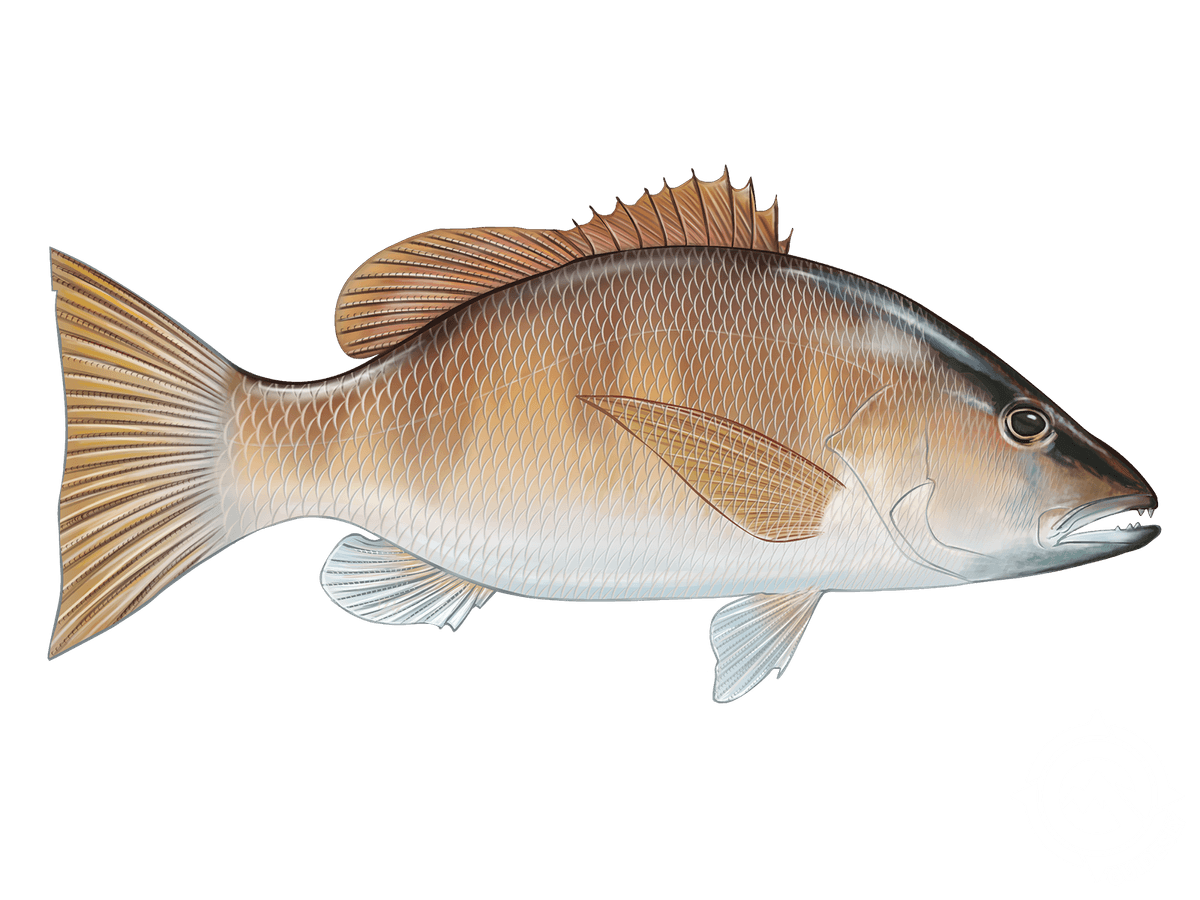
Sheepshead
Sheepshead are the convict fish of inshore waters with their black and white stripes, but what really sets them apart are their human-like teeth used for crushing barnacles and crabs. They typically run 2-5 pounds around Stuart, with some reaching 8+ pounds near deeper structure. Look for them around any hard structure - docks, bridges, rock piles, and oyster bars where they feed year-round, though winter months can be particularly good. They're famous bait thieves with light bites, but once hooked, they put up a solid fight. The real reward is the table fare - sweet, white meat that's hard to beat. Sheepshead can be frustrating since they'll pick your hook clean, but that's part of the challenge. My best advice: use small hooks with fresh shrimp or fiddler crabs, keep your bait right against the structure, and stay alert - when you feel that subtle tap-tap, set the hook immediately.
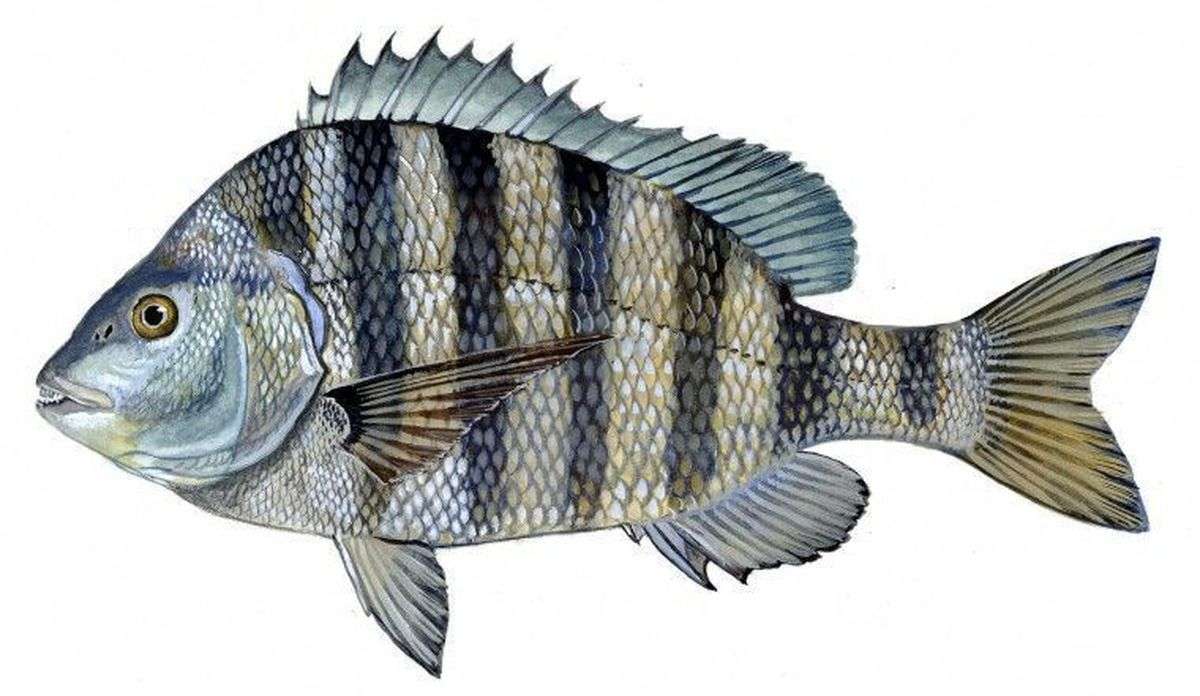
Snook
Snook are the premier inshore game fish around Stuart - smart, strong, and absolutely beautiful with that distinctive black lateral line. Most run 18-28 inches, but trophy fish over 30 inches are caught regularly. They love structure like mangroves, docks, and bridges where they ambush prey. Best fishing happens during warmer months, especially around new and full moons when they're most active. What guests love about snook is their explosive strikes and bulldogging fights - they'll use every piling and mangrove root to try breaking you off. They're also fantastic table fare with sweet, white meat. These fish are temperature sensitive, so they move to deeper water when it gets cold. My go-to tip: cast live shrimp or pinfish tight to structure and be ready - snook hit hard and head straight back to cover.
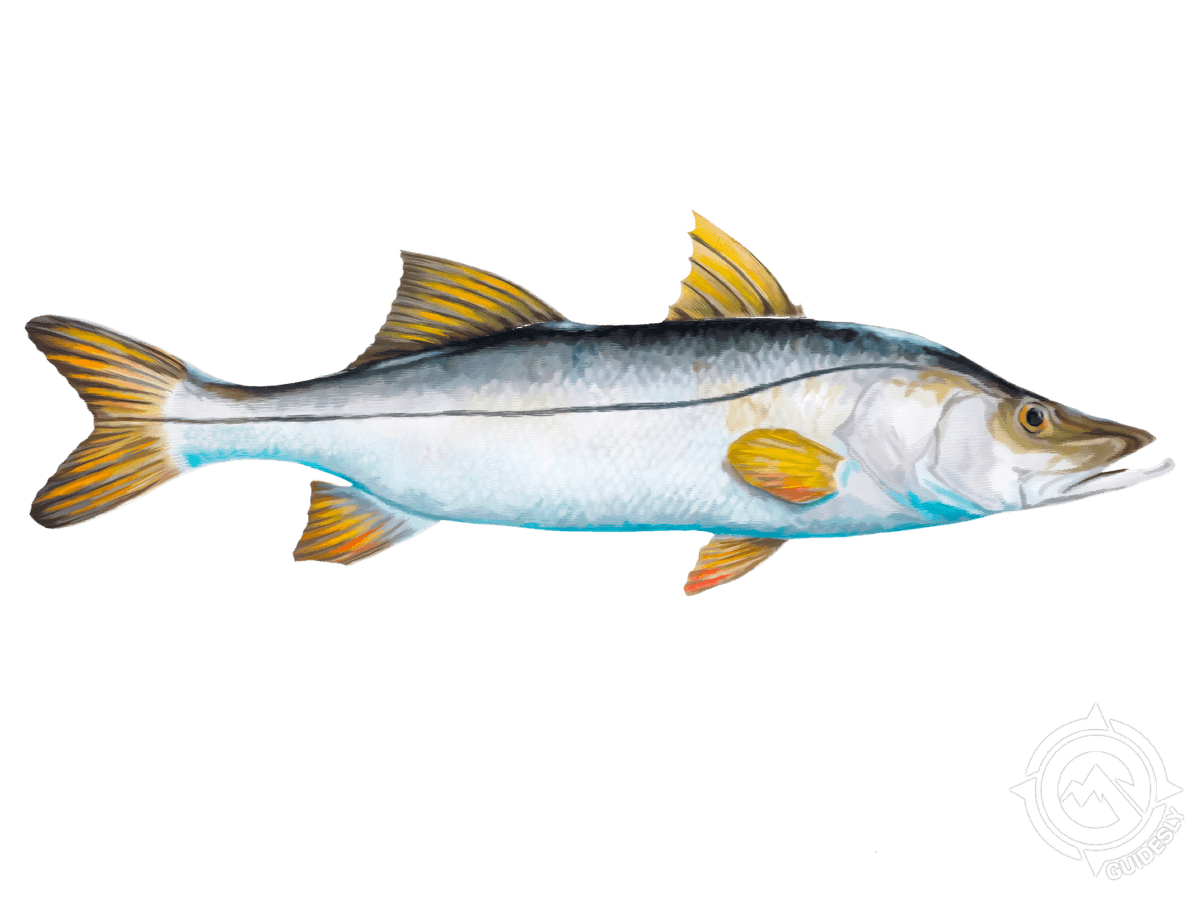
Spanish Mackerel
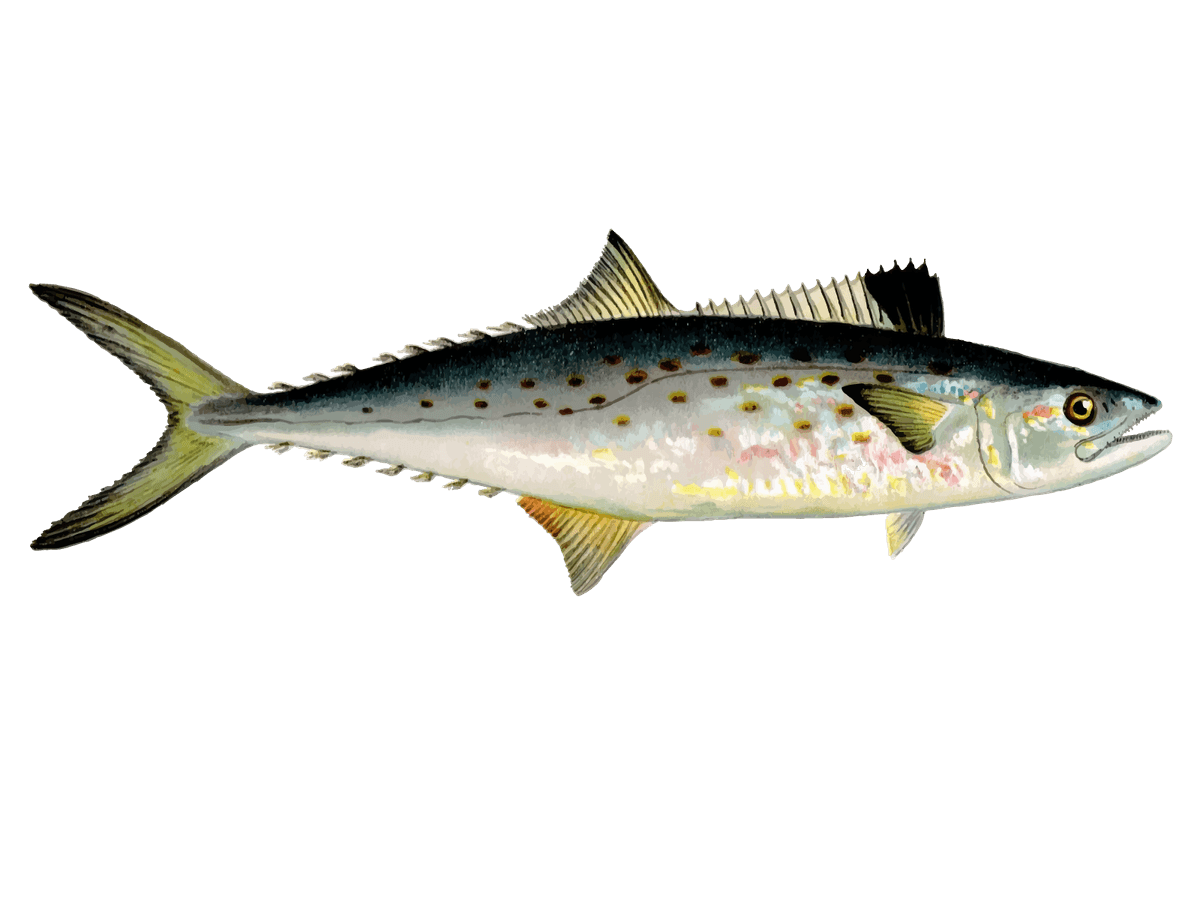
These fast-moving fish are perfect for anglers who enjoy action-packed fishing. Spanish Mackerel typically run 1-3 pounds around Stuart, though larger ones hit 5-6 pounds. You'll find them schooling near the surface over grass flats and around structure during warmer months, especially spring through fall. They're aggressive feeders that slam spoons, small jigs, and live bait like sardines or shrimp. What makes them special is their speed - they'll peel line off your reel in a hurry. Plus, they're fantastic eating with mild, flaky white meat that's great grilled or blackened. When you see birds diving or bait jumping, get there fast - the mackerel are likely feeding underneath. Pro tip: use a small wire leader since their razor-sharp teeth will cut through mono in a heartbeat.
Tarpon
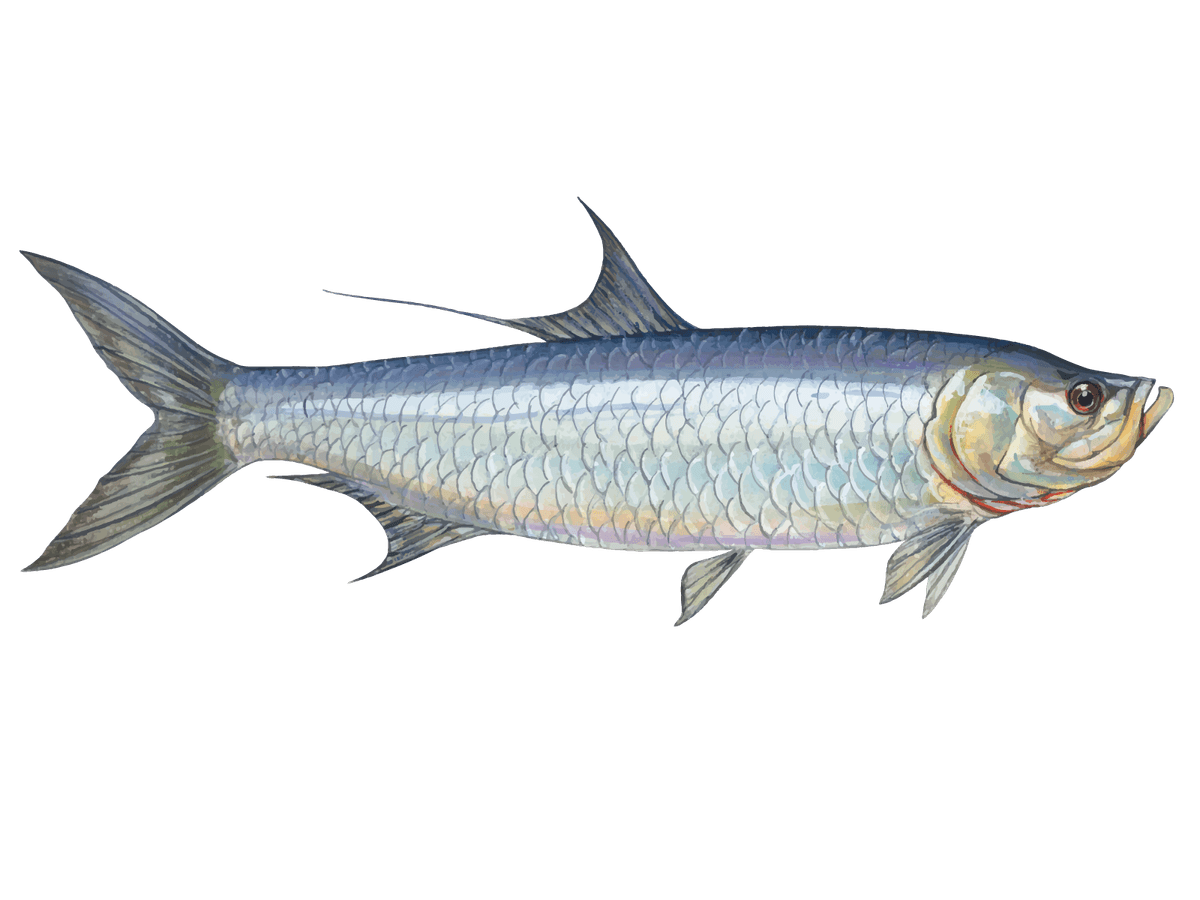
Tarpon are the kings of inshore fishing - pure silver dynamite that can reach 100+ pounds and jump clear out of the water when hooked. Around Stuart, we see them in shallow flats, channels, and near bridges where they roll and feed. Peak season runs May through August when they migrate through our waters. What makes tarpon special isn't the eating (we release them all) - it's the fight. These ancient fish will jump, run, and test every bit of your tackle and skill. Most guests say landing their first tarpon is a fishing milestone they'll never forget. They're found in 3-15 feet of water, often visible rolling on the surface. Live bait like crabs, pinfish, or shrimp works best. Pro tip: when a tarpon jumps, bow to the fish by lowering your rod tip - it prevents the line from snapping on their hard mouth. Be patient and keep steady pressure.
About the C Hawk 23' CC
%2F%2Fusers%2F8591b7a3-eb75-47c6-8376-56e44c5e8cc6%2Fvehicle_picture%2Fimg_3101-mkefh8mg.jpeg&w=1200&q=75)
Vehicle Guest Capacity: 4
Manufacturer Name: Suzuki
Maximum Cruising Speed: 38
Number of Engines: 1
Horsepower per Engine: 175